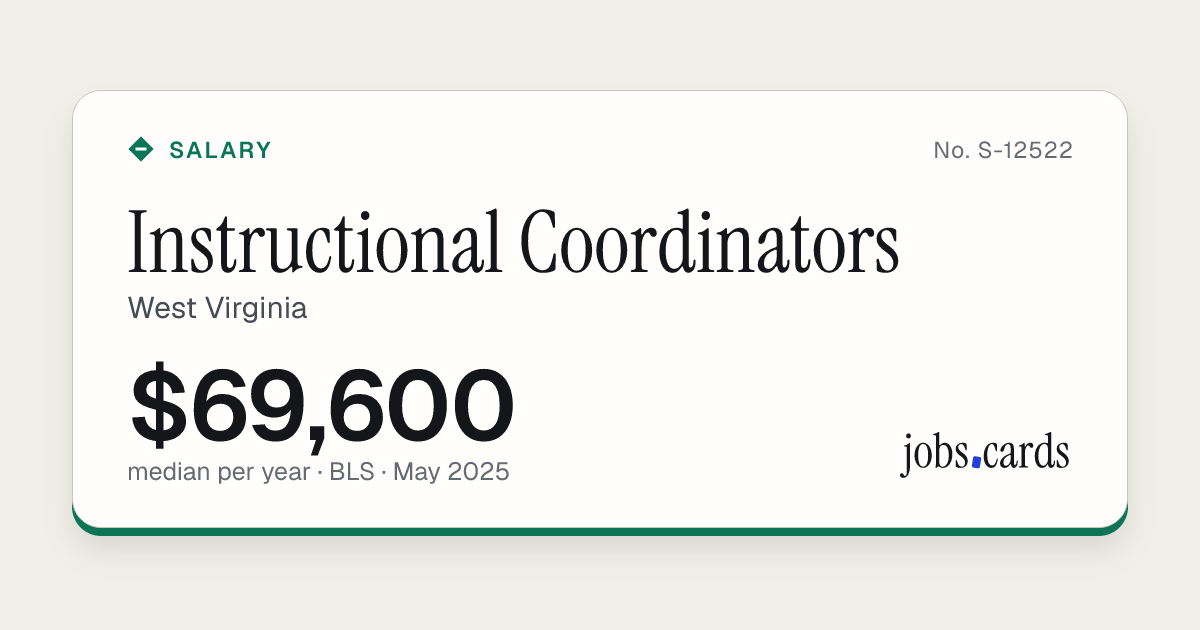
Develop instructional material, coordinate educational content, and incorporate current technology into instruction in order to provide guidelines to educators and instructors for developing curricula and conducting courses. May train and coach teachers. Includes educational consultants and specialists, and instructional material directors.
Common job titles: Curriculum and Instruction Director, Curriculum Coordinator, Curriculum Director, Curriculum Specialist, Education Specialist, Instructional Designer, Instructional Systems Specialist, Instructional Technologist, Learning Development Specialist, Program Administrator.
What the Work Involves
The five tasks that workers and experts surveyed by O*NET rate most important for this job, most important first.
- Observe work of teaching staff to evaluate performance and to recommend changes that could strengthen teaching skills.
- Plan and conduct teacher training programs and conferences dealing with new classroom procedures, instructional materials and equipment, and teaching aids.
- Interpret and enforce provisions of state education codes and rules and regulations of state education boards.
- Conduct or participate in workshops, committees, and conferences designed to promote the intellectual, social, and physical welfare of students.
- Advise teaching and administrative staff in curriculum development, use of materials and equipment, and implementation of state and federal programs and procedures.
Education. 60% of workers surveyed by O*NET said the level required for this job is: Master's Degree.
Preparation This Job Usually Needs
Job Zone Five: Extensive Preparation Needed. Most of these occupations require graduate school. For example, they may require a master's degree, and some require a Ph.D., M.D., or J.D. (law degree). Employees may need some on-the-job training, but most of these occupations assume that the person will already have the required skills, knowledge, work-related experience, and/or training. Extensive skill, knowledge, and experience are needed for these occupations. Many require more than five years of experience. For example, surgeons must complete four years of college and an additional five to seven years of specialized medical training to be able to do their job.
This page includes information from the O*NET 31.0 Database by the U.S. Department of Labor, Employment and Training Administration (USDOL/ETA). Used under the CC BY 4.0 license. O*NET® is a trademark of USDOL/ETA.