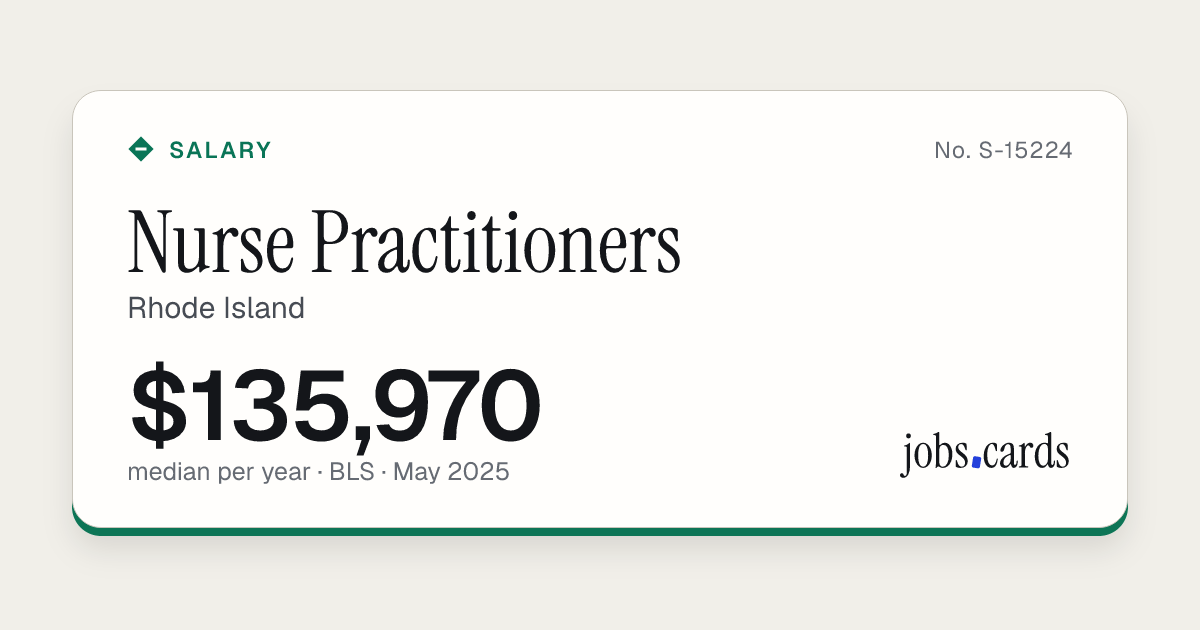
Diagnose and treat acute, episodic, or chronic illness, independently or as part of a healthcare team. May focus on health promotion and disease prevention. May order, perform, or interpret diagnostic tests such as lab work and x rays. May prescribe medication. Must be registered nurses who have specialized graduate education.
Common job titles: ACNP (Acute Care Nurse Practitioner), Adult Nurse Practitioner, Advanced Practice Registered Nurse (APRN), ARNP Specialist (Advanced Registered Nurse Practitioner Specialist), Family Nurse Practitioner (FNP), Family Practice Certified Advanced Registered Nurse Practitioner, Gastroenterology Nurse Practitioner, Nurse Practitioner (NP), Pediatric Nurse Practitioner (PNP), Women's Health Care Nurse Practitioner.
What the Work Involves
The five tasks that workers and experts surveyed by O*NET rate most important for this job, most important first.
- Maintain complete and detailed records of patients' health care plans and prognoses.
- Develop treatment plans, based on scientific rationale, standards of care, and professional practice guidelines.
- Provide patients with information needed to promote health, reduce risk factors, or prevent disease or disability.
- Analyze and interpret patients' histories, symptoms, physical findings, or diagnostic information to develop appropriate diagnoses.
- Diagnose or treat complex, unstable, comorbid, episodic, or emergency conditions in collaboration with other health care providers as necessary.
Education. 65% of workers surveyed by O*NET said the level required for this job is: Master's Degree.
Preparation This Job Usually Needs
Job Zone Five: Extensive Preparation Needed. Most of these occupations require graduate school. For example, they may require a master's degree, and some require a Ph.D., M.D., or J.D. (law degree). Employees may need some on-the-job training, but most of these occupations assume that the person will already have the required skills, knowledge, work-related experience, and/or training. Extensive skill, knowledge, and experience are needed for these occupations. Many require more than five years of experience. For example, surgeons must complete four years of college and an additional five to seven years of specialized medical training to be able to do their job.
This page includes information from the O*NET 31.0 Database by the U.S. Department of Labor, Employment and Training Administration (USDOL/ETA). Used under the CC BY 4.0 license. O*NET® is a trademark of USDOL/ETA.