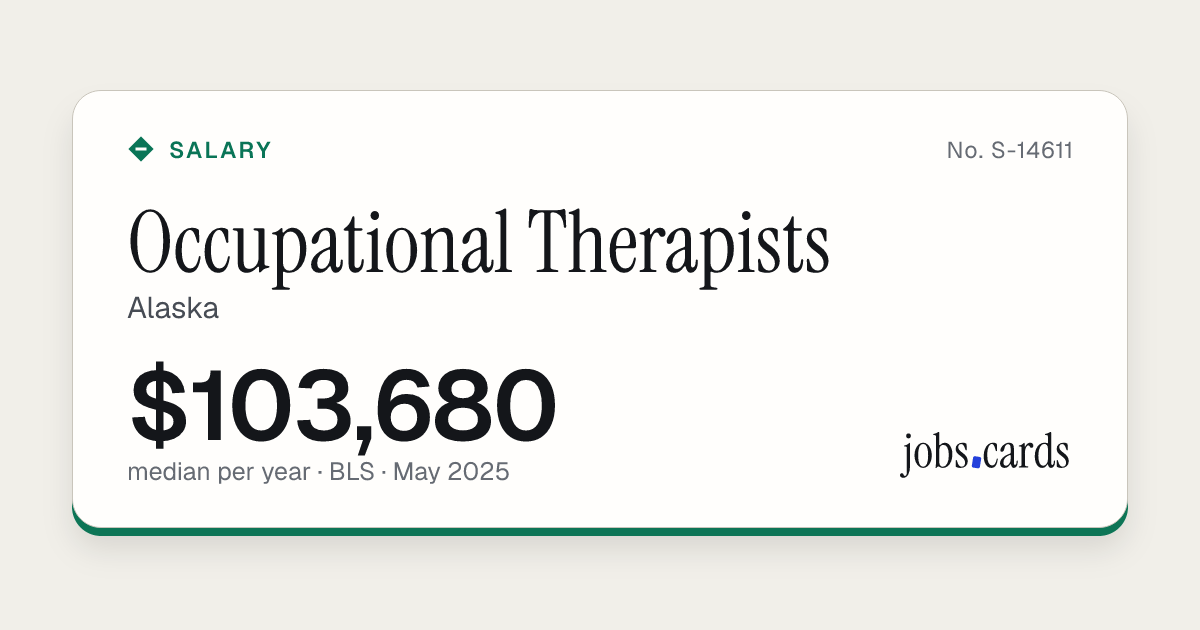
Assess, plan, and organize rehabilitative programs that help build or restore vocational, homemaking, and daily living skills, as well as general independence, to persons with disabilities or developmental delays. Use therapeutic techniques, adapt the individual's environment, teach skills, and modify specific tasks that present barriers to the individual.
Common job titles: Assistive Technology Trainer, Certified Hand Therapist (CHT), Early Intervention Occupational Therapist, Home Health Occupational Therapist, Industrial Rehabilitation Consultant, Occupational Therapist (OT), Pediatric Occupational Therapist (Pediatric OT), Pediatrics and Acute Care Occupational Therapist, Registered Occupational Therapist (OTR).
What the Work Involves
The five tasks that workers and experts surveyed by O*NET rate most important for this job, most important first.
- Test and evaluate patients' physical and mental abilities and analyze medical data to determine realistic rehabilitation goals for patients.
- Complete and maintain necessary records.
- Plan, organize, and conduct occupational therapy programs in hospital, institutional, or community settings to help rehabilitate persons with disabilities because of illness, injury or psychological or developmental problems.
- Plan and implement programs and social activities to help patients learn work or school skills and adjust to handicaps.
- Evaluate patients' progress and prepare reports that detail progress.
Education. 86% of workers surveyed by O*NET said the level required for this job is: Master's Degree.
Preparation This Job Usually Needs
Job Zone Five: Extensive Preparation Needed. Most of these occupations require graduate school. For example, they may require a master's degree, and some require a Ph.D., M.D., or J.D. (law degree). Employees may need some on-the-job training, but most of these occupations assume that the person will already have the required skills, knowledge, work-related experience, and/or training. Extensive skill, knowledge, and experience are needed for these occupations. Many require more than five years of experience. For example, surgeons must complete four years of college and an additional five to seven years of specialized medical training to be able to do their job.
This page includes information from the O*NET 31.0 Database by the U.S. Department of Labor, Employment and Training Administration (USDOL/ETA). Used under the CC BY 4.0 license. O*NET® is a trademark of USDOL/ETA.