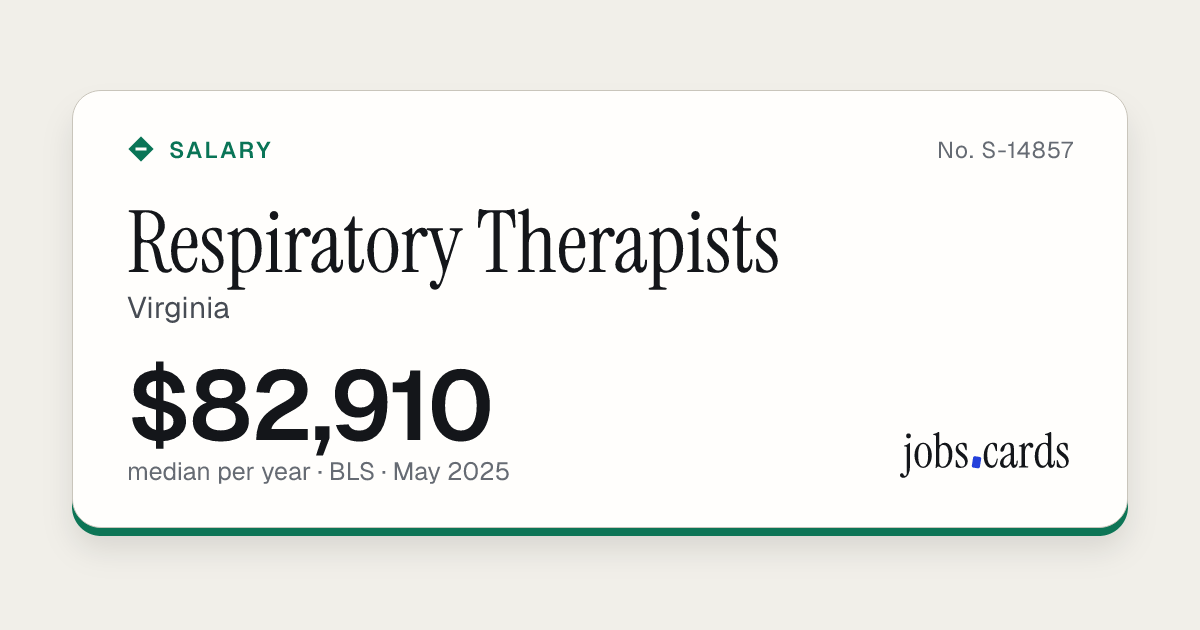
Assess, treat, and care for patients with breathing disorders. Assume primary responsibility for all respiratory care modalities, including the supervision of respiratory therapy technicians. Initiate and conduct therapeutic procedures; maintain patient records; and select, assemble, check, and operate equipment.
Common job titles: CRRT (Cardiopulmonary Rehabilitation Respiratory Therapist), CRT (Certified Respiratory Therapist), Diagnostics RRT (Diagnostics Registered Respiratory Therapist), Infant RT (Infant Respiratory Therapist), Licensed CRT (Licensed Certified Respiratory Therapist), Licensed RT (Licensed Respiratory Therapist), Registered Respiratory Care Practitioner (Registered RCP), Registered Respiratory Practitioner, Respiratory Care Practitioner (RCP), RRT (Registered Respiratory Therapist).
What the Work Involves
The five tasks that workers and experts surveyed by O*NET rate most important for this job, most important first.
- Set up and operate devices, such as mechanical ventilators, therapeutic gas administration apparatus, environmental control systems, or aerosol generators, following specified parameters of treatment.
- Monitor patient's physiological responses to therapy, such as vital signs, arterial blood gases, or blood chemistry changes, and consult with physician if adverse reactions occur.
- Read prescription, measure arterial blood gases, and review patient information to assess patient condition.
- Relay blood analysis results to a physician.
- Provide emergency care, such as artificial respiration, external cardiac massage, or assistance with cardiopulmonary resuscitation.
Education. 99% of workers surveyed by O*NET said the level required for this job is: Associate's Degree or other 2-year degree.
Preparation This Job Usually Needs
Job Zone Three: Medium Preparation Needed. Most occupations in this zone require training in vocational schools, related on-the-job experience, or an associate's degree. Employees in these occupations usually need one or two years of training involving both on-the-job experience and informal training with experienced workers. A recognized apprenticeship program may be associated with these occupations. Previous work-related skill, knowledge, or experience is required for these occupations. For example, an electrician must have completed three or four years of apprenticeship or several years of vocational training, and often must have passed a licensing exam, in order to perform the job.
This page includes information from the O*NET 31.0 Database by the U.S. Department of Labor, Employment and Training Administration (USDOL/ETA). Used under the CC BY 4.0 license. O*NET® is a trademark of USDOL/ETA.