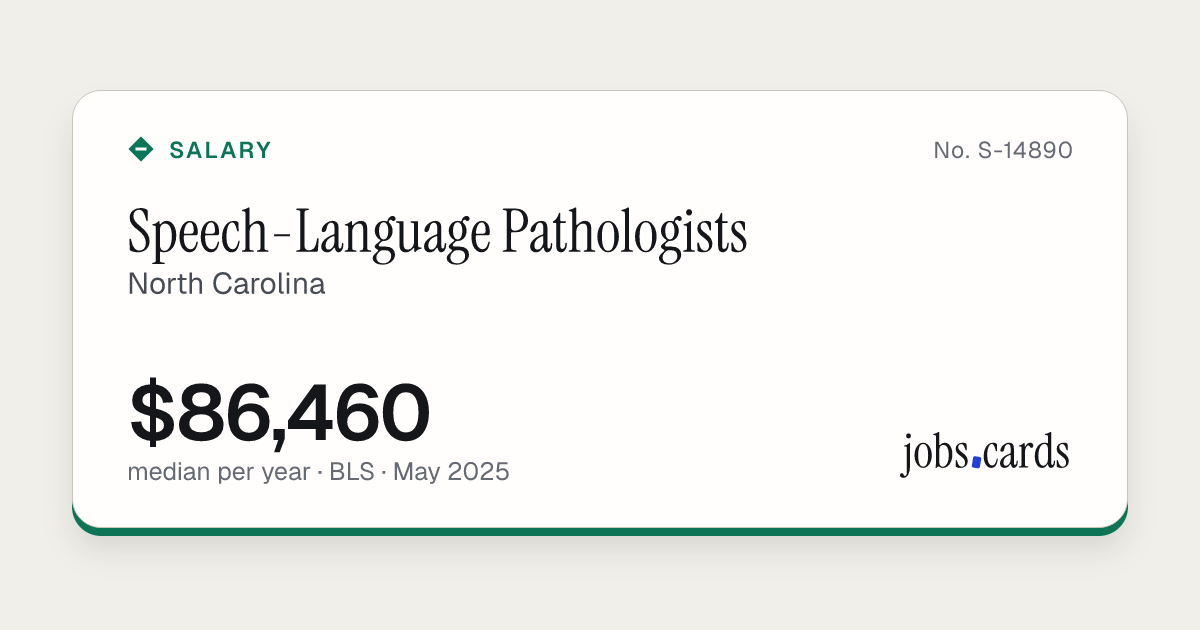
Assess and treat persons with speech, language, voice, and fluency disorders. May select alternative communication systems and teach their use. May perform research related to speech and language problems.
Common job titles: Bilingual Speech-Language Pathologist (Bilingual SLP), Pediatric Speech-Language Pathologist (Pediatric SLP), Speech and Language Clinician, Speech and Language Specialist, Speech and Language Teacher, Speech and Language Therapist, Speech Clinician, Speech Pathologist, Speech Therapist, Speech-Language Pathologist (SLP).
What the Work Involves
The five tasks that workers and experts surveyed by O*NET rate most important for this job, most important first.
- Evaluate hearing or speech and language test results, barium swallow results, or medical or background information to diagnose and plan treatment for speech, language, fluency, voice, or swallowing disorders.
- Write reports and maintain proper documentation of information, such as client Medicaid or billing records or caseload activities, including the initial evaluation, treatment, progress, and discharge of clients.
- Monitor patients' progress and adjust treatments accordingly.
- Develop or implement treatment plans for problems such as stuttering, delayed language, swallowing disorders, or inappropriate pitch or harsh voice problems, based on own assessments and recommendations of physicians, psychologists, or social workers.
- Administer hearing or speech and language evaluations, tests, or examinations to patients to collect information on type and degree of impairments, using written or oral tests or special instruments.
Education. 89% of workers surveyed by O*NET said the level required for this job is: Master's Degree.
Preparation This Job Usually Needs
Job Zone Five: Extensive Preparation Needed. Most of these occupations require graduate school. For example, they may require a master's degree, and some require a Ph.D., M.D., or J.D. (law degree). Employees may need some on-the-job training, but most of these occupations assume that the person will already have the required skills, knowledge, work-related experience, and/or training. Extensive skill, knowledge, and experience are needed for these occupations. Many require more than five years of experience. For example, surgeons must complete four years of college and an additional five to seven years of specialized medical training to be able to do their job.
This page includes information from the O*NET 31.0 Database by the U.S. Department of Labor, Employment and Training Administration (USDOL/ETA). Used under the CC BY 4.0 license. O*NET® is a trademark of USDOL/ETA.