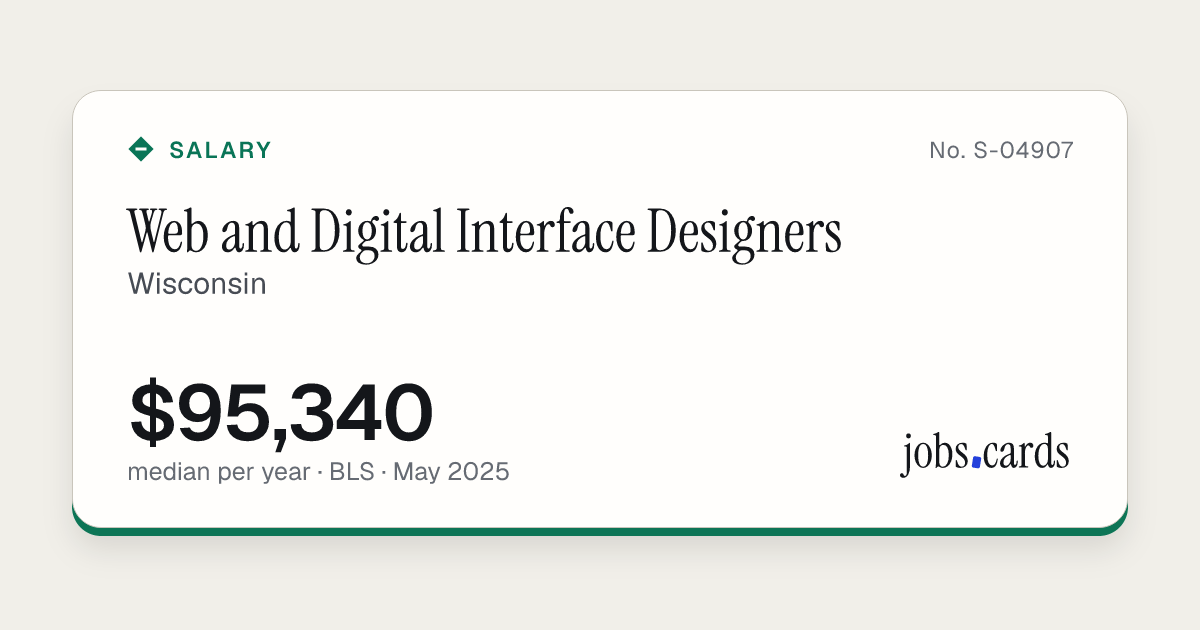
Design digital user interfaces or websites. Develop and test layouts, interfaces, functionality, and navigation menus to ensure compatibility and usability across browsers or devices. May use web framework applications as well as client-side code and processes. May evaluate web design following web and accessibility standards, and may analyze web use metrics and optimize websites for marketability and search engine ranking. May design and test interfaces that facilitate the human-computer interaction and maximize the usability of digital devices, websites, and software with a focus on aesthetics and design. May create graphics used in websites and manage website content and links.
Common job titles: UI Developer (User Interface Developer), UX Developer (User Experience Developer), UX Engineer (User Experience Engineer), Web Administration Coordinator (Web Admin Coordinator), Web Architect, Web Content Developer, Web Content Specialist, Web Design Specialist, Web Designer, Webmaster.
What the Work Involves
The five tasks that workers and experts surveyed by O*NET rate most important for this job, most important first.
- Identify problems uncovered by testing or customer feedback, and correct problems or refer problems to appropriate personnel for correction.
- Design, build, or maintain Web sites, using authoring or scripting languages, content creation tools, management tools, and digital media.
- Write supporting code for Web applications or Web sites.
- Perform Web site tests according to planned schedules, or after any Web site or product revision.
- Collaborate with web development professionals, such as front-end or back-end developers, to complete the full scope of Web development projects.
Education. 52% of workers surveyed by O*NET said the level required for this job is: Bachelor's Degree.
Preparation This Job Usually Needs
Job Zone Four: Considerable Preparation Needed. Most of these occupations require a four-year bachelor's degree, but some do not. Employees in these occupations usually need several years of work-related experience, on-the-job training, and/or vocational training. A considerable amount of work-related skill, knowledge, or experience is needed for these occupations. For example, an accountant must complete four years of college and work for several years in accounting to be considered qualified.
This page includes information from the O*NET 31.0 Database by the U.S. Department of Labor, Employment and Training Administration (USDOL/ETA). Used under the CC BY 4.0 license. O*NET® is a trademark of USDOL/ETA.